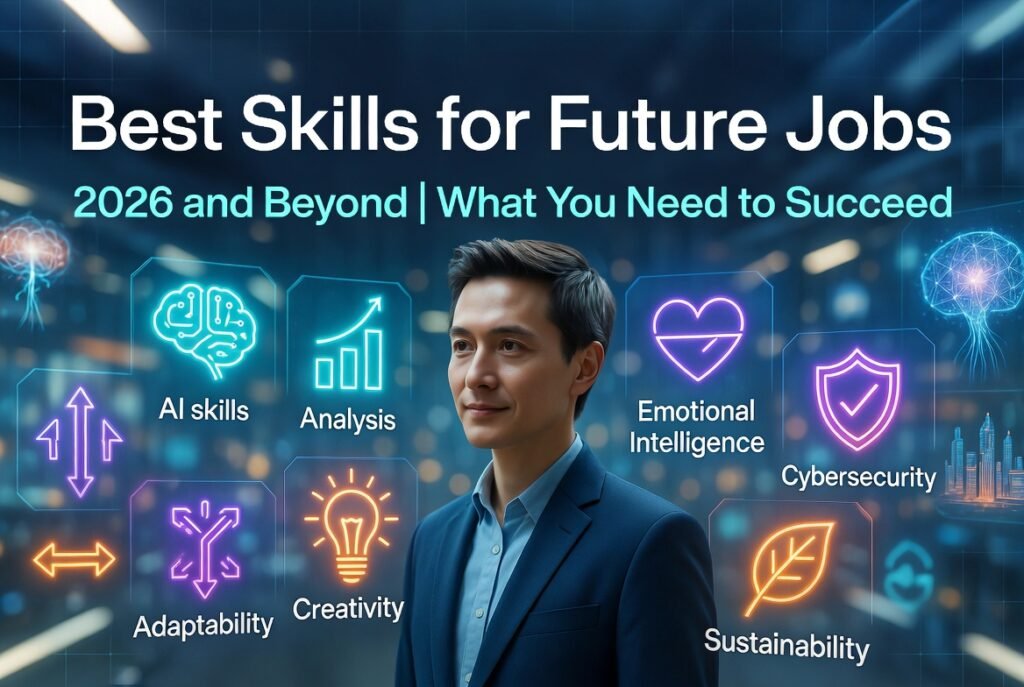

The IT industry continues to be one of the most dynamic, rewarding, and future-proof sectors in the global economy. With rapid advancements in artificial intelligence (AI), cloud computing, cybersecurity threats, and data-driven decision-making, the demand for skilled IT professionals is skyrocketing. According to various industry reports, computer and IT occupations are projected to grow much faster than average, creating hundreds of thousands of new jobs annually.
Whether you’re a fresh graduate, a career switcher, or an experienced professional looking to upskill, choosing the right path in IT can lead to high salaries, remote work opportunities, job security, and exciting challenges. In this comprehensive guide, we’ll explore the best careers in the IT industry for 2026, including job roles, required skills, average salaries (global and regional insights), growth prospects, and tips to get started.
1. Software Engineer / Full Stack Developer
Software engineering remains the backbone of the tech world. Software engineers design, develop, test, and maintain applications and systems that power everything from mobile apps to enterprise software.
Why it’s one of the best careers: High demand across every industry — fintech, healthcare, e-commerce, and more. Full stack developers who handle both frontend (React, Angular) and backend (Node.js, Python, Java) are especially valued for their versatility.
Key Skills: Programming languages (Python, JavaScript, Java), frameworks, version control (Git), problem-solving, and increasingly AI-assisted coding tools.
Salary Range (2026):
- Entry-level: $80,000 – $110,000
- Mid to Senior: $130,000 – $200,000+ (higher in the US, UK, and with big tech firms)
Growth: Expected to remain strong with 17–25% growth in related roles. Remote opportunities are abundant, making it ideal for professionals in Pakistan or other regions targeting UK/US clients.
How to Start: Build projects on GitHub, contribute to open source, or complete bootcamps/certifications in MERN/MEAN stack.
2. Data Scientist / Data Analyst
Data is called the “new oil,” and professionals who can extract insights from it are in massive demand. Data scientists build predictive models, while data analysts focus on interpreting trends and creating dashboards.
Why it’s top-rated: Businesses rely on data for strategic decisions. With the explosion of big data and AI, this field offers intellectual stimulation and direct business impact.
Key Skills: Python/R, SQL, statistics, machine learning libraries (TensorFlow, Scikit-learn), data visualization (Tableau, Power BI), and storytelling with data.
Salary Range:
- Data Analyst: $70,000 – $110,000
- Data Scientist: $110,000 – $180,000+ (AI-specialized roles go higher)
Growth: One of the fastest-growing areas, with projections up to 30–35% in some markets due to AI integration.
Tip: Start with free resources like Kaggle competitions or Google Data Analytics Certificate. Knowledge of AI ethics is becoming a bonus.
3. Cybersecurity Analyst / Information Security Specialist
As cyber threats grow more sophisticated (ransomware, AI-powered attacks, data breaches), cybersecurity has become non-negotiable for organizations.
Why it’s excellent: Near-zero unemployment in many regions, constant learning, and a strong sense of purpose (protecting sensitive data). Roles range from ethical hacking to security architecture.
Key Skills: Networking, firewalls, penetration testing, tools like Wireshark, certifications (CompTIA Security+, CISSP, CEH), and understanding of compliance (GDPR, etc.).
Salary Range:
- Analyst: $90,000 – $140,000
- Senior/Architect: $160,000 – $250,000+
Growth: Projected 29–35% growth — one of the highest in IT. In the UK and globally, demand is particularly high.
How to Enter: Earn entry-level certifications and practice on platforms like TryHackMe or HackTheBox.
4. Cloud Architect / Cloud Engineer
Most companies have moved (or are moving) to the cloud. Cloud professionals design, implement, and manage scalable infrastructure on AWS, Azure, or Google Cloud.
Why it’s promising: Cloud adoption continues to surge. Hybrid and multi-cloud strategies require experts who can optimize costs, security, and performance.
Key Skills: Cloud platforms (AWS Certified Solutions Architect, Azure AZ-305), infrastructure as code (Terraform), containers (Docker, Kubernetes), and DevOps practices.
Salary Range: $130,000 – $220,000+ for architects.
Growth: Strong and steady, with cloud computing market expanding rapidly.
Advice: Start with vendor-specific free tiers and certifications. Many roles allow remote work from Pakistan for international clients.
5. AI/ML Engineer
Artificial Intelligence and Machine Learning engineers build intelligent systems — from chatbots and recommendation engines to autonomous tools and generative AI applications.
Why it’s one of the hottest careers: AI is transforming every sector. Demand for professionals who can deploy production-ready ML models is exploding.
Key Skills: Python, deep learning frameworks (PyTorch, TensorFlow), MLOps, data engineering basics, and understanding of large language models (LLMs).
Salary Range: $150,000 – $250,000+ (top roles exceed $300,000 with experience).
Growth: Among the fastest-growing, with AI-related roles seeing 300%+ demand spikes in some reports.
Entry Path: Online courses (Coursera’s Andrew Ng specialization), personal AI projects, and contributing to Hugging Face models.
6. DevOps Engineer / Platform Engineer
DevOps bridges development and operations, focusing on automation, CI/CD pipelines, and reliable software delivery.
Why it’s valuable: Companies want faster, safer releases. Modern Platform Engineers build internal developer platforms that boost productivity.
Key Skills: CI/CD tools (Jenkins, GitHub Actions), Kubernetes, scripting, monitoring (Prometheus), and cloud infrastructure.
Salary Range: $120,000 – $190,000.
Growth: Very high as organizations scale cloud-native applications.
7. IT Project Manager / Technical Program Manager
Not purely technical but critical — these professionals manage teams, budgets, and timelines for complex IT projects.
Why it’s rewarding: Combines technical understanding with leadership and communication. High visibility and good work-life balance in many cases.
Key Skills: Agile/Scrum, PMP certification, stakeholder management, risk assessment.
Salary Range: $110,000 – $170,000+.
Best For: People with some technical background who enjoy coordinating rather than coding daily.
Other Strong Contenders in 2026
- QA Engineer / Software Tester — Especially automation testing with AI tools.
- Network Engineer / Architect — Still essential for secure, high-performance systems.
- Blockchain Developer — Growing in fintech, supply chain, and Web3.
- AI Product Manager / AI Ethics Specialist — Emerging hybrid roles blending tech and business/regulation.
How to Choose the Right IT Career for You
- Love coding & building? → Software/Full Stack or AI Engineer.
- Enjoy analysis & insights? → Data Scientist/Analyst.
- Interested in protection & puzzles? → Cybersecurity.
- Prefer systems & scalability? → Cloud or DevOps.
- Want leadership? → IT Project Manager or Technical Program Manager.
Consider your interests, current skills, learning style, and location. For someone in Pakistan targeting the UK market, remote-friendly roles like software development, data analysis, and cloud engineering offer excellent opportunities through platforms like Upwork, Turing, or direct applications to UK firms.
Tips to Succeed in Any IT Career
- Build a Strong Portfolio — GitHub projects, personal websites, or case studies speak louder than degrees.
- Earn Relevant Certifications — They validate skills quickly (AWS, Google Cloud, Security+, etc.).
- Stay Updated — Follow trends on LinkedIn, Reddit (r/cscareerquestions), and tech blogs. AI tools like GitHub Copilot can accelerate learning.
- Develop Soft Skills — Communication, problem-solving, and adaptability are crucial for career growth.
- Network & Freelance — Start with small gigs to gain experience and testimonials.
- Continuous Learning — The half-life of tech skills is short — commit to lifelong upskilling.
Final Thoughts
The best careers in the IT industry in 2026 offer not just financial rewards but also the chance to work on cutting-edge technologies that shape the future. Roles in AI, cybersecurity, cloud, and data stand out for their combination of high pay, demand, and growth potential.
No matter where you start — whether as a fresher learning Python or an experienced professional pivoting to cloud security — consistent effort and practical experience will open doors. The IT field rewards those who are curious, resilient, and willing to adapt.
If you’re serious about building a successful IT career, pick one area, go deep for 6–12 months, create real projects, and start applying. The opportunities are there — especially with the global shift toward remote and hybrid work.
Start today. The tech world is waiting for your contribution.